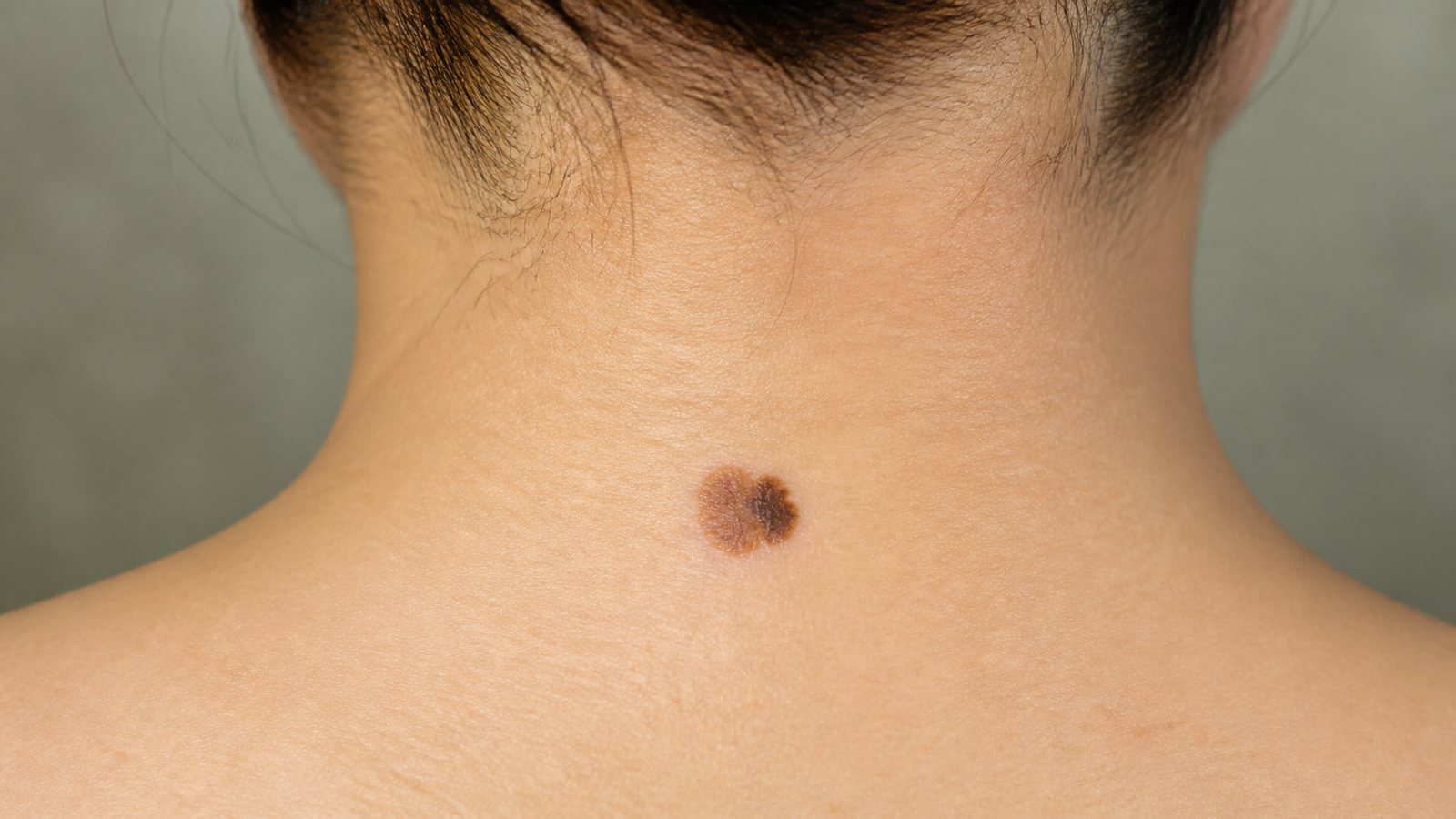
ไฝส่วนใหญ่ไม่อันตราย
Most moles are harmless
คนทั่วไปมีไฝบนร่างกายหลายสิบเม็ด และเกือบทั้งหมดเป็นไฝธรรมดาที่ไม่เป็นอันตราย การตัดไฝจึงไม่ใช่สิ่งที่ต้องทำกับทุกเม็ด
Most people carry dozens of moles, and almost all of them are ordinary and harmless. Removing every one is neither necessary nor sensible.
แต่มีไฝส่วนน้อยที่ควรได้รับการตรวจ เพราะอาจเป็นสัญญาณของมะเร็งผิวหนังชนิดเมลาโนมา ซึ่งเป็นชนิดที่ลุกลามได้เร็ว ข่าวดีคือหากตรวจพบตั้งแต่ระยะแรก อัตราการรอดชีวิตที่ 5 ปีสูงกว่า 98% ตามข้อมูลของ American Academy of Dermatology การสังเกตให้เป็นจึงมีความหมายมาก
A small minority, however, deserve examination, because they can signal melanoma, the fastest-spreading form of skin cancer. The encouraging part: when it is caught early, the five-year survival rate exceeds 98% according to the American Academy of Dermatology. Knowing what to look for genuinely matters.
หลัก ABCDE — วิธีสังเกตไฝด้วยตัวเอง
The ABCDE rule — how to check your own moles
แพทย์ผิวหนังทั่วโลกใช้หลักจำง่าย ๆ นี้ในการคัดกรองเบื้องต้น ลองสำรวจไฝของตัวเองตามห้าข้อนี้
Dermatologists worldwide use this simple checklist for initial screening. Run through these five points on your own moles.
- A — Asymmetry (ไม่สมมาตร) ลองแบ่งไฝออกเป็นสองซีกในใจ ไฝปกติมักสองซีกคล้ายกัน ถ้าซีกหนึ่งรูปร่างไม่เหมือนอีกซีก ควรให้แพทย์ดู
- B — Border (ขอบไม่เรียบ) ไฝปกติขอบเรียบและชัดเจน ไฝที่ควรระวังมักมีขอบหยัก เว้าแหว่ง หรือเบลอกลืนไปกับผิวรอบข้าง
- C — Color (สีไม่สม่ำเสมอ) ไฝปกติมักมีสีเดียวทั้งเม็ด ถ้ามีหลายเฉดปนกัน หรือมีสีดำเข้มผิดปกติเมื่อเทียบกับไฝเม็ดอื่นบนตัวเรา ควรตรวจ
- D — Diameter (ขนาด) ไฝที่ใหญ่กว่า 6 มิลลิเมตร ประมาณเท่ายางลบหัวดินสอ ควรได้รับการตรวจ แต่ขนาดเล็กก็ไม่ได้แปลว่าปลอดภัยเสมอไป จึงต้องดูร่วมกับข้ออื่น
- E — Evolving (เปลี่ยนแปลง) ข้อนี้สำคัญที่สุด ไฝที่โตขึ้น เปลี่ยนสี เปลี่ยนรูปร่าง นูนขึ้น หรือเริ่มมีอาการคัน เลือดออก เป็นแผลไม่หาย ควรพบแพทย์โดยไม่ต้องรอ
- A — Asymmetry. Mentally split the mole in half. A normal mole has two similar halves. If one half does not match the other, have it looked at.
- B — Border. Normal moles have a smooth, clearly defined edge. Concerning ones tend to be notched, scalloped, or blurred into the surrounding skin.
- C — Colour. A normal mole is usually one shade throughout. Several shades mixed together, or a mole noticeably darker than your others, warrants a check.
- D — Diameter. Anything larger than about 6 mm, roughly a pencil eraser, should be examined. Small does not automatically mean safe, so read this alongside the other points.
- E — Evolving. The most important of the five. A mole that grows, changes colour or shape, becomes raised, or starts to itch, bleed or fail to heal should be seen without delay.
หากไฝเข้าข่ายข้อใดข้อหนึ่ง ควรให้แพทย์ตรวจ ไม่จำเป็นต้องครบทั้งห้าข้อ
โดยเฉพาะข้อ E การเปลี่ยนแปลง หากไฝที่เคยอยู่เฉย ๆ มาหลายปีเริ่มเปลี่ยนไป นั่นคือสัญญาณที่ควรใส่ใจที่สุด
One point is enough to warrant a check. A mole does not need to tick all five.
Especially E, change. A mole that sat quietly for years and has now started changing is the single signal most worth acting on.
ไฝแบบไหนที่ “ควรตัด”
Which moles should be removed
เหตุผลในการตัดไฝแบ่งได้เป็นสองกลุ่มใหญ่ ซึ่งมีความเร่งด่วนต่างกัน
There are two broad reasons to remove a mole, and they carry very different urgency.
ตัดเพื่อการวินิจฉัย
Removal for diagnosis
เมื่อไฝมีลักษณะที่แพทย์ประเมินแล้วว่าควรตรวจให้แน่ชัด การตัดออกและส่งตรวจทางพยาธิวิทยาเป็นวิธีเดียวที่ให้คำตอบชัดเจนว่าเซลล์นั้นเป็นอะไร กลุ่มนี้คือกลุ่มที่ไม่ควรผัดผ่อน
When a doctor judges that a mole needs a definite answer, excision with pathology is the only way to know for certain what the cells are. This group should not be postponed.
ตัดด้วยเหตุผลอื่น
Removal for other reasons
เช่น ไฝอยู่ในตำแหน่งที่ถูกเสียดสีเป็นประจำจนระคายเคือง อยู่ในตำแหน่งที่โกนหนวดหรือแต่งตัวแล้วเกี่ยว หรือด้วยเหตุผลด้านความสวยงาม กลุ่มนี้เลือกเวลาได้ตามความสะดวก
A mole that is constantly rubbed and irritated, catches when shaving or dressing, or simply bothers you cosmetically. These can be scheduled at your convenience.
ข้อควรระวังที่สำคัญ การใช้เลเซอร์หรือจี้ไฝออกโดยไม่ได้ส่งตรวจทางพยาธิวิทยา ทำให้ไม่มีชิ้นเนื้อเหลือให้ตรวจ
หากไฝเม็ดนั้นมีความผิดปกติซ่อนอยู่ การจี้ทิ้งอาจทำให้เสียโอกาสวินิจฉัยตั้งแต่ระยะแรก จึงควรให้แพทย์ประเมินก่อนเสมอว่าไฝเม็ดนั้นควรส่งตรวจหรือไม่
An important caution. Burning or lasering a mole off leaves no tissue to send for pathology.
If that mole was hiding something, destroying it costs you the chance of an early diagnosis. Always have a doctor decide first whether the lesion should go to pathology.
ควรพบแพทย์เมื่อใด
When to see a doctor
- ไฝเปลี่ยนแปลงในช่วงไม่กี่เดือนที่ผ่านมา
- มีเลือดออก เป็นแผล หรือแผลไม่หายภายใน 2–3 สัปดาห์
- ไฝใหม่ที่เกิดขึ้นหลังอายุ 30–40 ปี
- ไฝที่ดูแตกต่างจากไฝเม็ดอื่น ๆ บนร่างกายอย่างชัดเจน
- มีประวัติคนในครอบครัวเป็นมะเร็งผิวหนัง
- A mole has changed over the past few months
- It bleeds, ulcerates, or fails to heal within two to three weeks
- A new mole appears after the age of 30 to 40
- One mole looks clearly unlike all your others
- There is a family history of skin cancer
การตรวจไฝใช้เวลาไม่นานและไม่เจ็บ เมื่อเทียบกับความสบายใจที่ได้กลับไป ถือว่าคุ้มค่าเสมอ
Having a mole examined is quick and painless. Set against the reassurance it brings, it is always worth the visit.
ปรึกษาแพทย์เฉพาะทางConsult a specialist
ทุกแผนการรักษาเริ่มต้นจากการตรวจประเมินโดยศัลยแพทย์ตกแต่ง เพื่อออกแบบวิธีที่เหมาะกับลักษณะเฉพาะของแต่ละคน
Every treatment plan begins with an assessment by a plastic surgeon, so the approach fits your individual anatomy rather than a template.
นัดหมายผ่าน LINE →Book via LINE →แหล่งอ้างอิงReferences›
- ABCDEs of Melanoma — Skin Self-Exam. Cleveland Clinic. https://my.clevelandclinic.org/health/diagnostics/8648-skin-self-exam
- Early Melanoma Warning Signs: The ABCDE Rule Explained. Ubie Health — Dermatology review. https://ubiehealth.com/doctors-note/melanoma-warning-signs-abcde-rule-explain-derma-4762q2
- ABCDE Rule: How to Spot Melanoma Early. Bare Dermatology. https://www.barederm.com/blog-post/abcde-rule-for-skin-cancer-how-to-spot-melanoma-early/
บทความนี้จัดทำขึ้นเพื่อให้ความรู้ทั่วไป ไม่ใช่การวินิจฉัยหรือคำแนะนำการรักษาเฉพาะบุคคล ผลลัพธ์ของแต่ละบุคคลแตกต่างกันตามลักษณะทางกายวิภาค การตรวจประเมินโดยแพทย์จึงจำเป็นเสมอ หากมีอาการผิดปกติ ควรปรึกษาแพทย์โดยตรง
This article is general education, not a diagnosis or personal treatment advice. Individual results vary with anatomy, so an in-person assessment by a doctor is always necessary. If you notice anything unusual, please consult a doctor directly.
← กลับไปหน้าข่าวสารและบทความ← Back to news and articles